








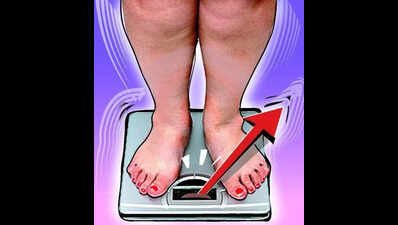
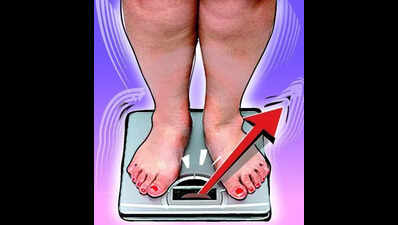
Bengaluru: Despite growing fitness culture, obesity continues to rise – more sharply among women – across Karnataka, according to the National Family Health Survey (NFHS)-6 report, released recently.The survey, conducted in 2023-24, found that 41.2% of women and 36.4% of men in Karnataka (out of a sample size of 30,260 persons) are either overweight or obese. This marks a sharp increase from the 2019-21 survey findings, when 30.2% of women and 30.9% of men fell into the same category. Urban women appear to be the most affected, with nearly 51% classified as overweight or obese.Doctors TOI spoke to attributed the trend largely to urban lifestyles marked by sedentary habits, unhealthy diets, easy access to junk food and sugary drinks through quick-commerce platforms, and increased alcohol consumption.Highlighting factors that particularly affect women, Dr K S Harshith, consultant, internal medicine, Aster RV Hospital, said research has shown a steady rise in obesity among women living in urban India over the past two decades.“Many females live in places where they would not be safe to pursue outdoor physical activity. Younger females may experience restrictions on their ability to exercise outdoors due to numerous societal factors,” he said.According to Dr Nidhin Mohan, senior consultant, general medicine, Narayana Health City, obesity among women is also linked to polyendocrine metabolic ovarian syndrome (PMOS).“Women also continue to shoulder a disproportionate share of household responsibilities in addition to their professional commitments. This leaves them with less time to focus on their own health and fitness,” he said.Doctors also point to social perceptions around body weight. In many households, particularly among older generations, weight loss is sometimes incorrectly viewed as a sign of poor health. They note that south Indians may have a genetic predisposition towards obesity, especially abdominal obesity, although genetics alone cannot explain the sharp rise seen in recent years.The increase comes at a time when Bengaluru has witnessed a growing fitness culture, with more gyms, running groups, and wellness communities than before. However, doctors say the proportion of people who consistently follow healthy diets and exercise routines remains relatively small.“Most people today are aware that they need to exercise regularly and eat healthy food, but awareness alone is not enough,” said Dr Mohan.“What many of my patients tell me is that they simply do not have the time. After a long day at work and spending hours commuting in traffic, they return home exhausted. The last thing they feel capable of doing is spending another 30-45 minutes exercising,” he added.Dr Harshith said while awareness about obesity has improved, many people still fail to recognise that they are overweight.“As obesity becomes more common, some people see gradual weight gain as normal and do not recognise the associated health risks until they develop conditions such as diabetes, hypertension or joint problems,” he said.For prevention, doctors stress that small but consistent lifestyle changes can make a significant difference.“Even in a fast-paced city like Bengaluru, maintaining a healthy weight is achievable through small but consistent lifestyle changes,” said Dr Sanjeev Vikram Shetty, consultant, minimal access GI, bariatric & general surgeon, Gleneagles BGS Hospital (Kengeri).He recommended regular physical activity, reducing prolonged sitting, eating balanced home-cooked meals rich in fruits, vegetables, protein and fibre, limiting sugary drinks and processed foods, and prioritising sleep, hydration and stress management for long-term weight control.———-Diabetes too on riseThe other concerning factor is that diabetes has also gone up in the state with 22.3% of women (up from 14% in the previous survey) and 26.1% men (up from 15.6%) living with high or very high levels of blood sugar or taking medicine to control their blood sugar levels. Doctors attribute this rise in diabetes as a partial contributor to weight gain in the state.