





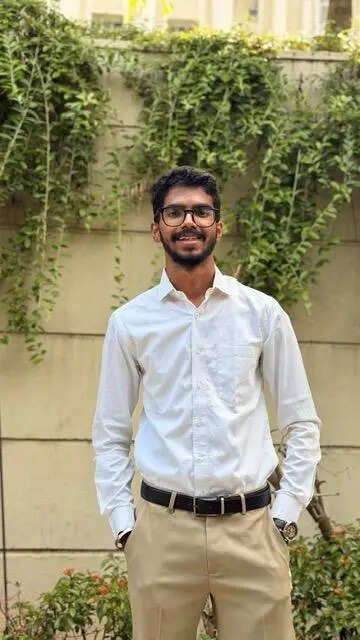
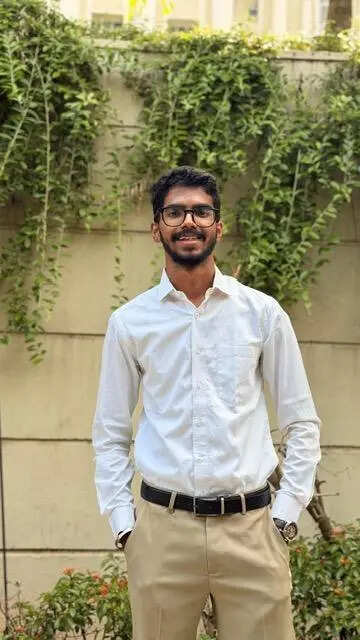
Bengaluru: Just a few hours of managing Bengaluru’s busy junctions was enough to leave many volunteers with a reality check of the city’s traffic problem.What began as a civic effort to bring citizens closer to the ground realities of traffic management has steadily drawn strong participation. Since its inception in Oct 2025, 1,864 people have volunteered under Bengaluru Traffic Police’s (BTP) initiative ‘Be a Traffic Cop for a Day’, where anyone is given a chance to experience being in the shoes of a traffic cop.Officials said the initiative was designed to help citizens understand the difficulties faced by traffic personnel and encourage better discipline and cooperation on roads. Data shows that a majority of the participants were aged between 18 and 50 and were mostly students and working professionals.Volunteers were deployed at key junctions in different areas. including Haralur, Wilson Garden, Banashankari, and Jayanagar, after a two-hour orientation on operational challenges and safety. Volunteers who spoke to TOI said the experience exposed them to 20–30 violations in a single shift, including helmetless riding, mobile phone use while driving, reckless honking, and motorists ignoring instructions. Many also highlighted the strain of working in pollution and heavy congestion.Anoop A Shetty, DCP (traffic west), said: “A majority chose locations such as Chalukya Circle and City Grounds. It was good to see many youngsters participating and understanding the traffic system. Many said they learnt a lot, and also gave feedback on minor changes needed to manage traffic, which we have noted down.”Syed Ghouse Peeran | 40, techieI volunteered for a day at a traffic junction as a stress-buster to try something different and understand the challenges on the ground. What I realised is that managing traffic at manual signals is extremely difficult. Vehicles come from all four directions, and if the volunteer or traffic personnel steps away even for a minute or gets distracted, everything builds up and chaos ensues. People often don’t listen, keep moving even when they have to stop, and that makes it very hard to control the trafficSurya Kiran | 23, doctorI was bored and tired with hospital duties and wanted to try something different, so I enrolled. I was at Banashankari signal from 6pm to 10.30pm. Pedestrians are the biggest issue — they often don’t follow signals or use zebra crossings. Even when vehicles have a green signal, pedestrians keep crossing, blocking movement, and creating chaos that can lead to accidents. I tried to manage them, but most people don’t listen, saying rules are meant to be brokenAllamprabhu M Nasi | head of machinery manufacturing companyI worked with traffic police from 6.30pm to 8.30pm and, in just two hours, witnessed 20–30 traffic violations. I had always been fascinated by their work since childhood, but this was my first real experience on the ground. It greatly increased my respect for what they do. I saw riders without helmets and motorists using mobile phones while driving. Even with three officers on duty, some refused to stop when signalledMohammed Yousuf | 21, service adviserWhen I was volunteering at Wilson Garden, I witnessed an accident — a rider sped through a red signal, his bike skidded, and he hit his head. It was shocking, but the traffic personnel provided assistance immediately. Standing for hours amid pollution and the harsh sun is also difficult. The experience gave me a completely different perspective of the challenges they face every day