










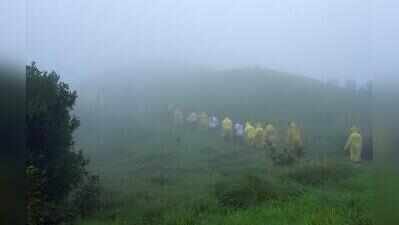
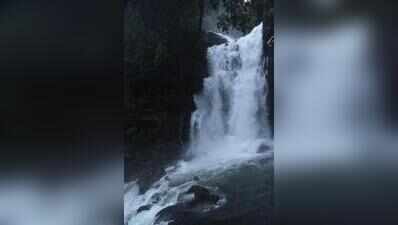
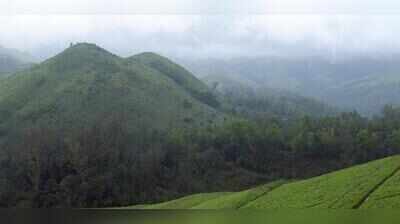
Mangaluru: Trekking, eco-tourism and other activities in the Kudremukh region generated over Rs 5.2 crore in revenue last year. Forest officials said the funds will be utilised for development and maintenance of trekking destinations after due govt approval.According to data shared by the forest department during a study tour for journalists organised by the Dakshina Kananda Working Journalists Association Tuesday, Gangadikal (4km) recorded 10,096 trekkers and generated Rs 46.7 lakh, while Kurinjal Point (14km) attracted 13,427 visitors and brought in Rs 63.3 lakh.Kudremukh (18km) recorded the highest footfall and revenue, with 33,348 visitors contributing Rs 3.8 crore.ACF Moodubidire P Sridhar said the revenue collected through online payments goes to the Kudremukh Foundation and is utilised for rehabilitation works, infrastructure development, staff quarters and boarding facilities. The funds are used for such purposes after approval from the state cabinet, he said.He said nearly 40% of the total revenue is spent on salaries of 100-200 staff deployed across anti-poaching camps. Officials said trekking activity has also created employment opportunities for nearly 200 people. Around 350 registered guides operate in the region, earning approximately Rs 1,000 per trek.Apart from the Kudremukh division, other trekking destinations such as Kudlu Teertha Falls, Gadaikallu and Kodachadri in neighbouring divisions also attract a significant number of visitors.Trekking is permitted from April to Dec, with a three-month ban in Jan, Feb and March owing to the wildfire threat. Each trekking point allows 300 members a day, along with a trained guide.Officials said visitors choose seasons based on their preferences, with the monsoon attracting trekkers for its foggy, misty weather and Sept preferred for clear weather and views of South Kanara.“Bookings get filled within one hour most of the time during the season, with demand more mainly for Kudremukh trek. SOP based bookings started last year only with record bookings, this year also we are seeing a good number of bookings,” an official told TOI.Hanumangundi roars, Gangamoola restsAs the monsoon intensifies over the Western Ghats, Hanumangundi Falls in Kudremukh National Park turns into a roaring spectacle, while Gangamoola remains off-limits to visitors, wrapped in mist and silence.Though trekking is banned during the season, the transformation of Hanumangundi Falls is striking. Set amid rugged hills, the waterfall plunges 72 feet over natural rock formations at an altitude of about 3,268 feet above sea level.Visitors can reach the viewpoint via the Karkala-Kalasa road, followed by a steep descent through dense forest steps. However, entry into the water is strictly prohibited, with officials warning of dangerously strong currents during heavy rains.The monsoon also breathes life into Gangamoola, the birthplace of the Tunga, Bhadra and Nethravati rivers. Located at around 1,458 metres above sea level within the park, the region is surrounded by hills and thick shola forests.Though closed to eco-tourism during the monsoon, Gangamoola remains a serene, mist-covered landscape defined by cool air and undisturbed natural beauty.