









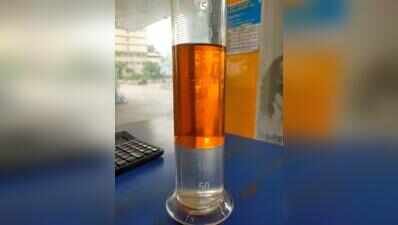
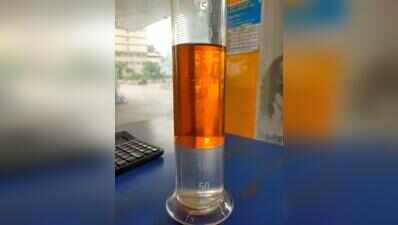
Mangaluru: Fuel stations in the city are reporting a rise in complaints of engine damage allegedly linked to ethanol-blended E20 petrol. Vehicles are reportedly breaking down due to water droplets entering the fuel tank or accumulating around the fuel cap. According to fuel bunk operators, E20 petrol, which contains 80% petrol and 20% ethanol, has been in full circulation in the city for nearly 1.5 years.Bharath of Mangalore Service Station told TOI that once water enters the tank, ethanol and petrol separate, and water can enter the engine even in small quantities. He said that people in Mangaluru should be careful as the region experiences heavy rainfall. He received around two complaints involving older autorickshaws, where loose or faulty fuel caps led to engine breakdowns.Junifer Alvares, president of the DK & Udupi Petroleum Dealers Association, said that people should avoid water entering petrol tanks, adding that even a single drop of water can affect engine performance.Anand Karnad, state secretary of the Karnataka State Federation of Petroleum Dealers, said such issues occur every year. He explained that water particles can accumulate inside tanks due to condensation and mix with petrol, leading to operational issues. On water entering underground tanks at fuel stations, he said operators follow strict daily monitoring procedures, including checking underground storage tanks for water using automated tank gauge systems and water-detection paste. However, Anand noted that during flooding or heavy rainfall, preventing water entry entirely becomes difficult. He said that while stations take maximum precautions, contamination can also occur at the consumer level due to faulty tank caps or exposure to rainwater.Shivanand Prabhu of Prabhu Service Station on Balmatta Road said that older vehicles, particularly those with carburettor systems, are more prone to such issues. According to him, vehicles that are 10–15 years old are more likely to experience engine trouble when exposed to contaminated fuel. While water in petrol earlier would settle at the bottom and could be removed, ethanol tends to mix with water and form a sludge-like substance, making detection and removal more difficult, he said.The manager of MA Krishna Nayak & Co, Kodialbail, said that more problems are being reported in older vehicles, adding that many customers recently approached them after water entered their fuel tanks.Meanwhile, the Centre has dismissed a series of misleading claims circulating on social media regarding ethanol-blended petrol, asserting that the Ethanol Blending Programme (EBP) is scientifically validated, rigorously tested and continuously monitored to ensure consumer safety and vehicle compatibility. The ministry of petroleum and natural gas stated that certain individuals were spreading unsubstantiated claims and recirculating old images and videos to create unnecessary alarm among the public regarding ethanol-blended fuel.