









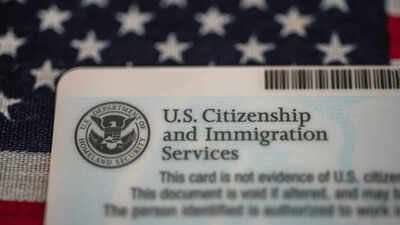
Trump administration is preparing a new immigration policy that could reject asylum seekers without even interviewing them, according to a report cited by CBS News.The proposed rule was developed by the Department of Homeland Security (DHS). Under the plan, officers at US Citizenship and Immigration Services (USCIS) would be allowed to deny applications if they believe the claims were filed more than a year after the applicant entered the US. This would bypass the long-standing practice of conducting interviews in nearly all asylum cases before a decision is made.Applicants whose cases are rejected under this process would then later be deported by immigration courts, where they would have to argue their case in a formal legal setting.US immigration law generally bars asylum applications filed more than one year after entry, although there are exceptions. These include cases involving serious medical issues, ineffective legal counsel, or applicants who were minors travelling alone. The proposed regulation would still allow officers to move cases forward for interview if they believe an exception applies.However, the key change is that officers would be able to rely on paperwork alone to dismiss cases that appear to fall outside the legal time limit, rather than interviewing applicants as part of the initial review.A USCIS spokesperson said the administration is looking at different ways to deal with a growing backlog of asylum cases.“This would allow USCIS to avoid wasting time on asylum applications that it would otherwise refer to immigration proceedings and will allow illegal aliens to have their claims heard by a judge,” the spokesperson said.The statement also said the backlog was the result of what it described as “the Biden administration’s dangerous open borders policies,” and that the government was reviewing options to address more than a million pending claims.The proposal has raised concern among immigration advocates, who warn it could lead to people being pushed into deportation proceedings without being given a proper chance to explain delays in filing their claims.Conchita Cruz, co-executive director of the Asylum Seeker Advocacy Project, said there are often legitimate reasons why asylum seekers miss the one-year deadline.“The government would be changing the rules on immigrants who have been navigating a complex immigration process, often for many years,” she added.Under US law, most people on American soil can request asylum, even if they entered the country illegally. However, they must prove they are fleeing persecution based on factors such as race, religion, nationality, political opinion or membership of a particular social group. Those who are granted asylum can remain in US permanently, while those who are refused are deported.The asylum system has faced growing pressure in recent years, with government figures showing 1.5 million pending applications with USCIS as of last year. Immigration courts under the Justice Department are also dealing with a backlog of around 3.3 million cases, including 2.3 million asylum-related claims. The delays can encourage migrants who may not qualify for protection to remain in the country while their cases are processed.Trump administration has also pursued agreements with other countries to accept deported asylum seekers, including “safe third country” arrangements, which require applicants to seek protection outside the US, sometimes in nations with disputed human rights records.The administration has also previously frozen asylum applications in specific circumstances, including after an Afghan asylum seeker was linked to an attack on two National Guard soldiers in Washington, DC last year. That pause was later eased but continues to apply to applicants from 39 countries listed under a travel ban proclamation.