







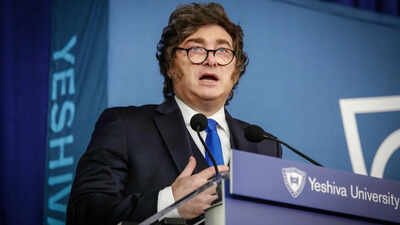
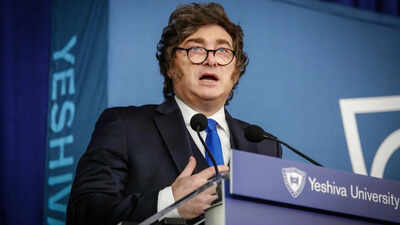
File photo: Argentina’s President Javier Milei (Picture credit: AP)
Argentina has formally withdrawn from the World Health Organization (WHO), its foreign minister announced on Tuesday, becoming the latest country to leave the UN health agency after the United States took the same step earlier this year.
Buenos Aires completes exit after earlier announcement
As per news agency AFP, the government of President Javier Milei had first announced its intention to quit the WHO a year ago, accusing the global body of mishandling the Covid-19 pandemic.Argentina’s foreign ministry said the withdrawal process has now been completed within the timeframe required under international treaties.Foreign minister Pablo Quirno confirmed the move in a post on X, saying: “Argentina will continue to promote international cooperation in health through bilateral agreements and regional forums, while fully preserving its sovereignty and its capacity to make decisions regarding health policies.”
Poll
Do you support Argentina's decision to withdraw from the WHO?
Milei government repeats criticism of WHO
The Milei administration has been sharply critical of the WHO’s role during the pandemic.Last year, Argentina had declared that “the WHO’s recommendations are ineffective because they are not based on science, but on political interests.”The formal withdrawal underlines President Milei’s hardening stance toward multilateral institutions and aligns Buenos Aires more closely with the policy direction taken by the United States under President Donald Trump.
Move mirrors US exit under Trump
Argentina’s decision follows the United States, which formalised its own withdrawal from the WHO in January.The US exit came a year after President Donald Trump signed an executive order to pull Washington out of the UN health body after returning to the White House.Milei has been seen as a close ally of Trump, and Argentina’s move is likely to draw wider international attention because it mirrors Washington’s break with the Geneva-based organisation.
Why the WHO matters
The WHO has historically played a central role in major global public health campaigns, including the eradication of smallpox and responses to threats such as polio, HIV, Ebola and tuberculosis, according to AFP.WHO director-general Tedros Adhanom Ghebreyesus had earlier expressed concern over the US withdrawal.In January, Tedros said he “deeply regretted” Washington’s exit and warned it would make both the United States and the rest of the world less safe.Argentina’s departure now raises fresh questions over the future of global health coordination, particularly as countries continue to debate sovereignty, science and the role of international institutions in responding to future pandemics.